Endemic & Rare Mammals of Fynbos & Karoo 16-Day Tour

Endemic & Rare Mammals of Fynbos & Karoo 16-Day Tour

16-Day Tour

Reserves: Cape Town – Table Mountain NP – West Coast NP – Tankwa Karoo NP – Jakhalsdans – Marrick & Mokala – Khoisan Karoo – Karoo NP – Hartenbos – Bontebok NP – De Hoop – Cape Town

Towns: Cape Town – Langebaan – Sutherland – Kimberley – Hanover – Beaufort West – Swellendam – Cape Town

Tour Information

Primary Endemic Mammal Species Targets:

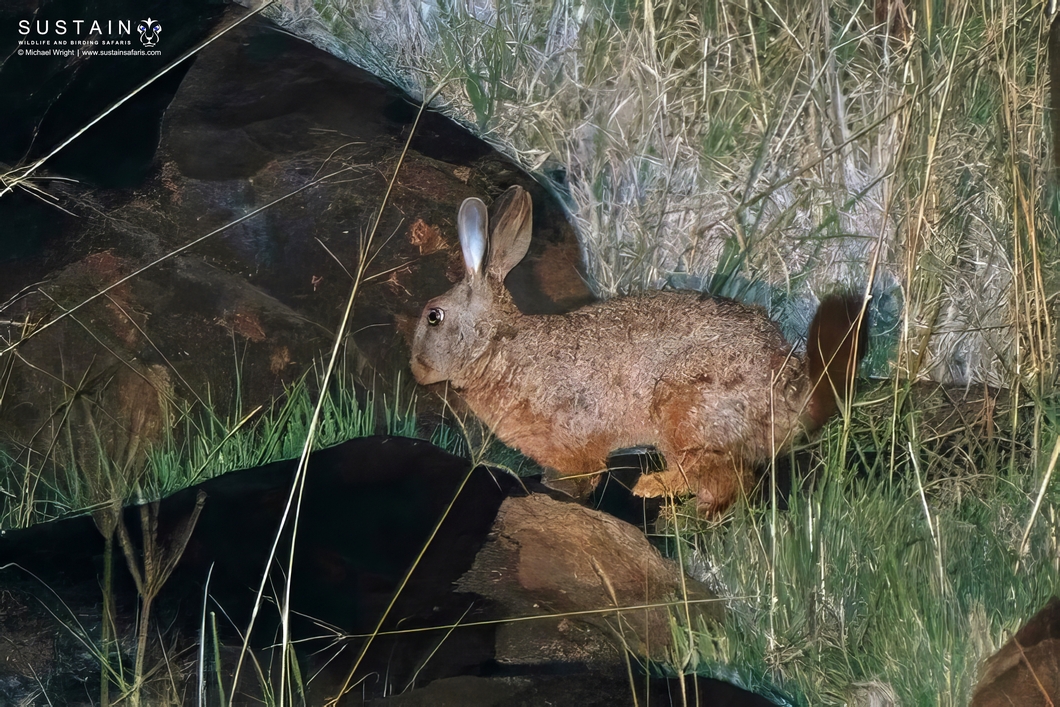
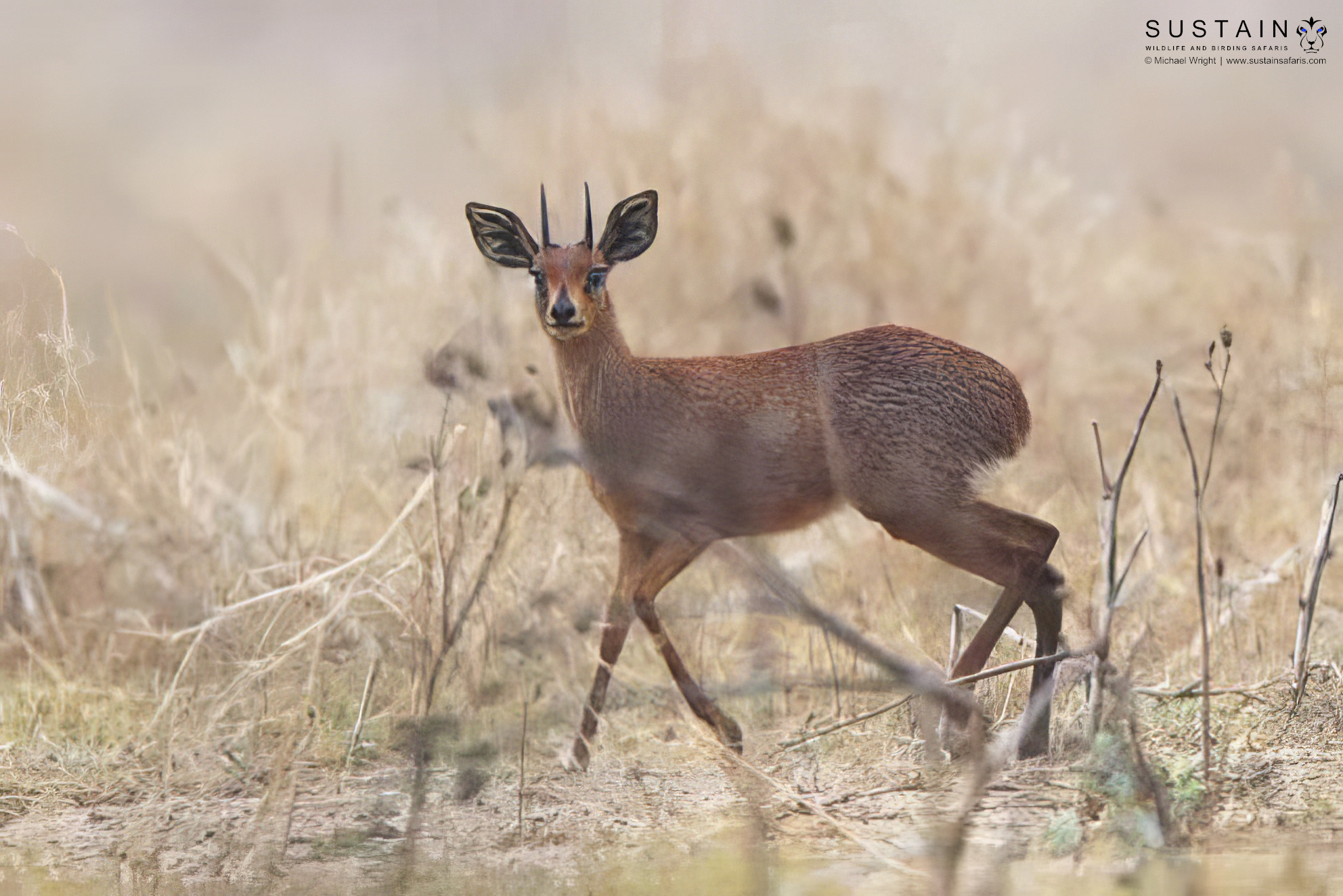
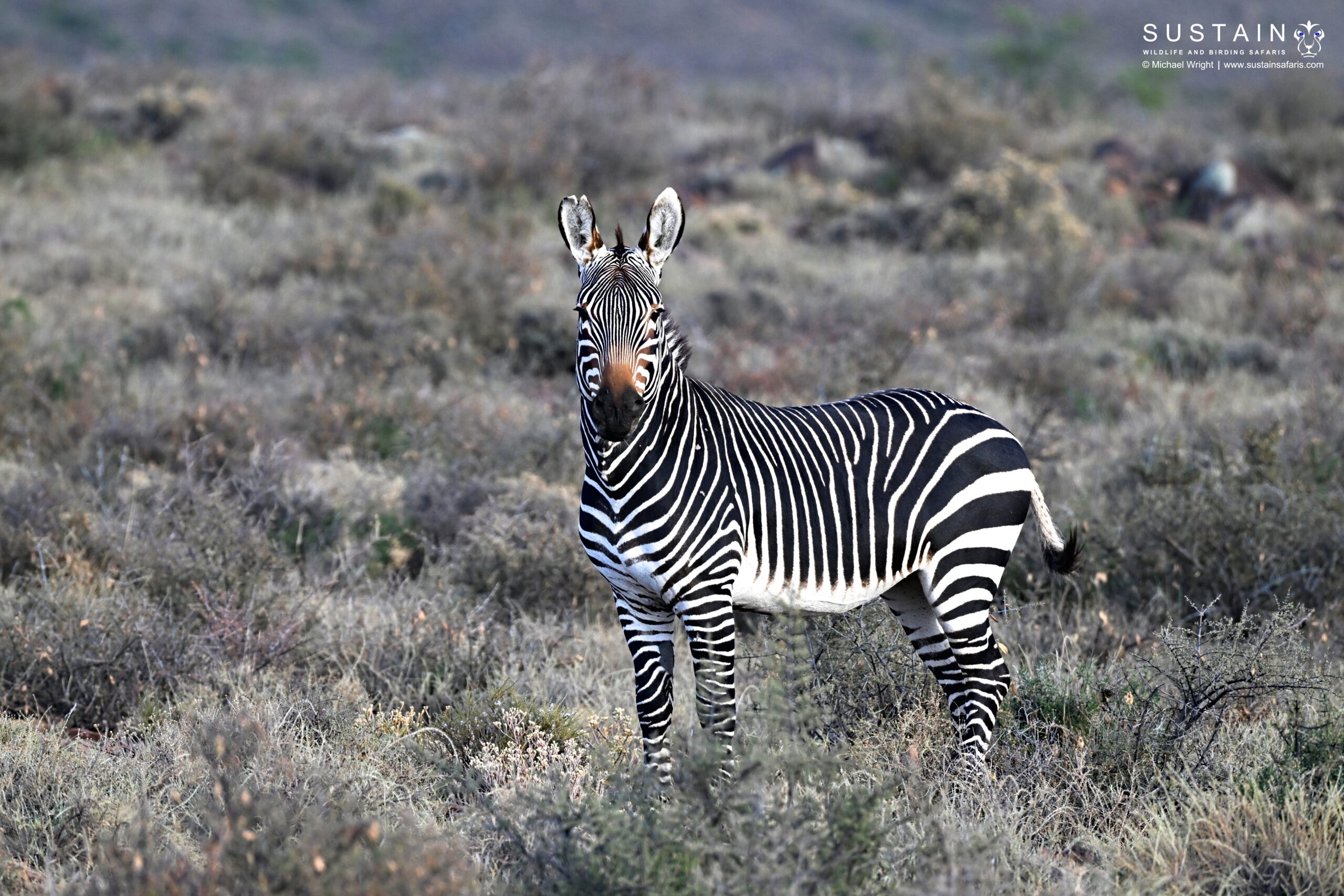
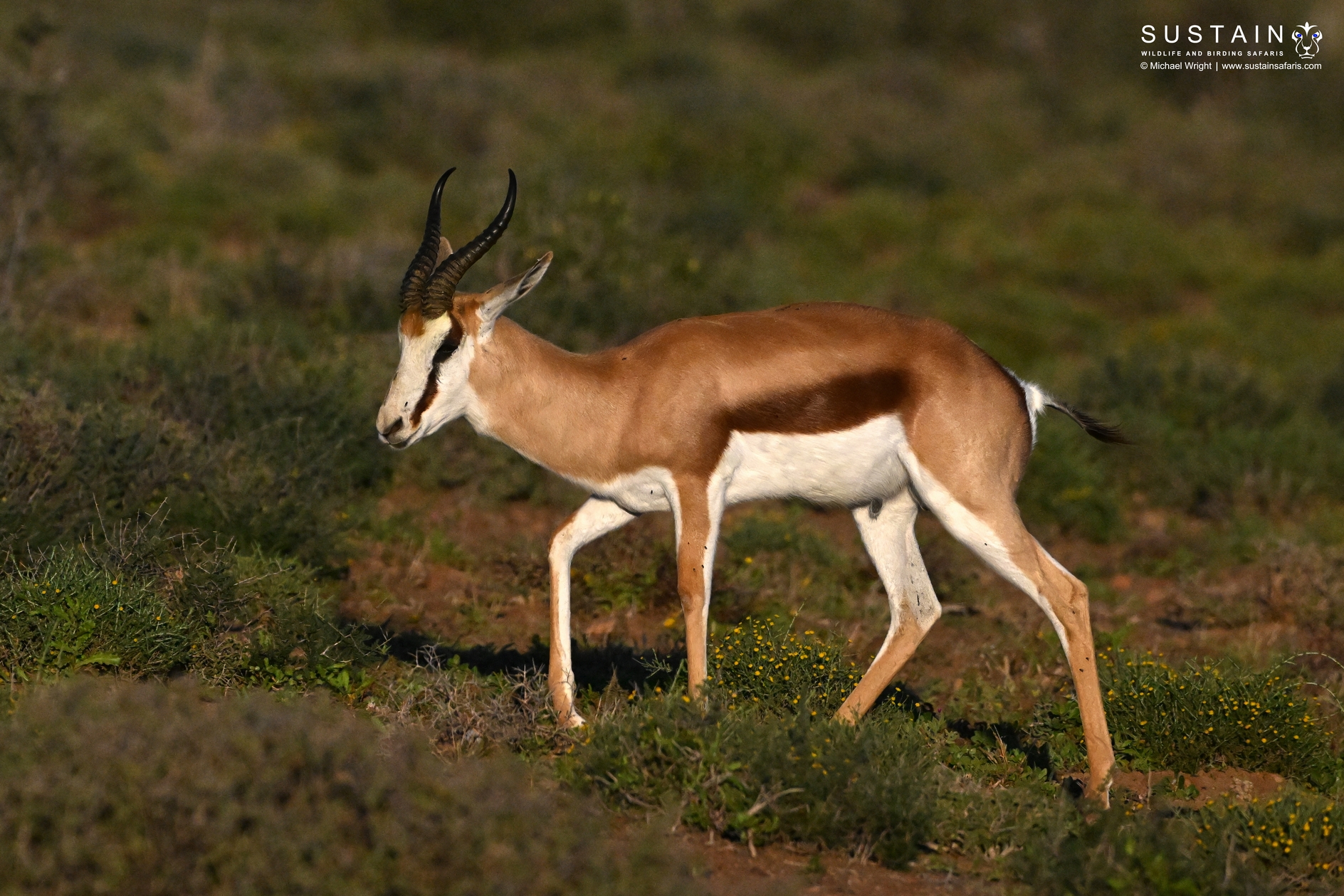
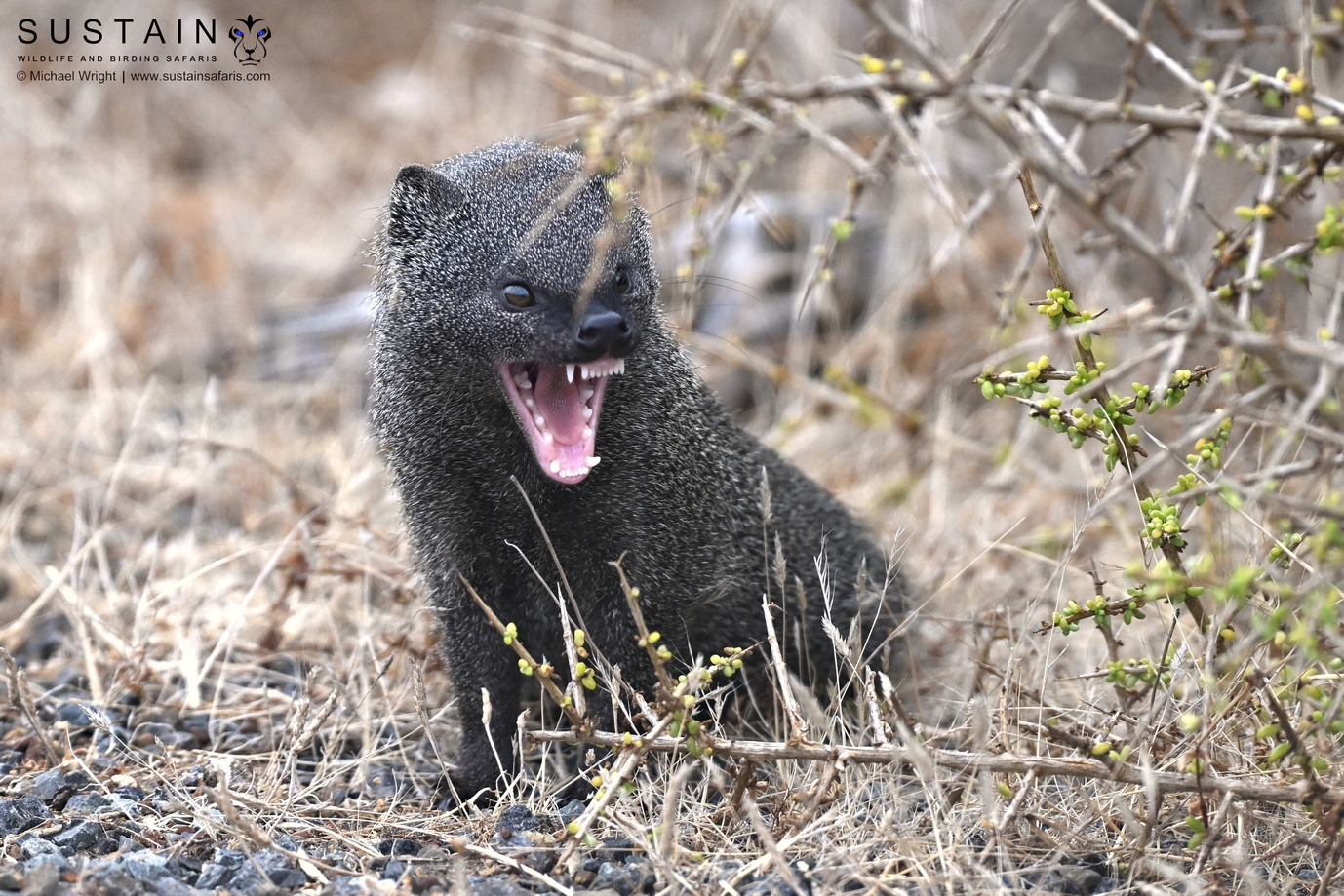
Cape Rock Sengi (Elephant Shrew), Eastern Rock Sengi (Elephant Shrew), Brants’s Whistling Rat, Karoo Vlei/Bush Rat, Riverine Rabbit, Black-footed Cat, Brown Hyena, Meerkat (Suricate), Yellow Mongoose, Cape Grey Mongoose, Cape (South African Large-spotted) Genet, Springbok, Black Wildebeest, Bontebok, Cape Grysbok, Mountain Zebra (Cape subspecies), Heaviside’s Dolphin, Bat species

Other Rare Mammal Species Targets:

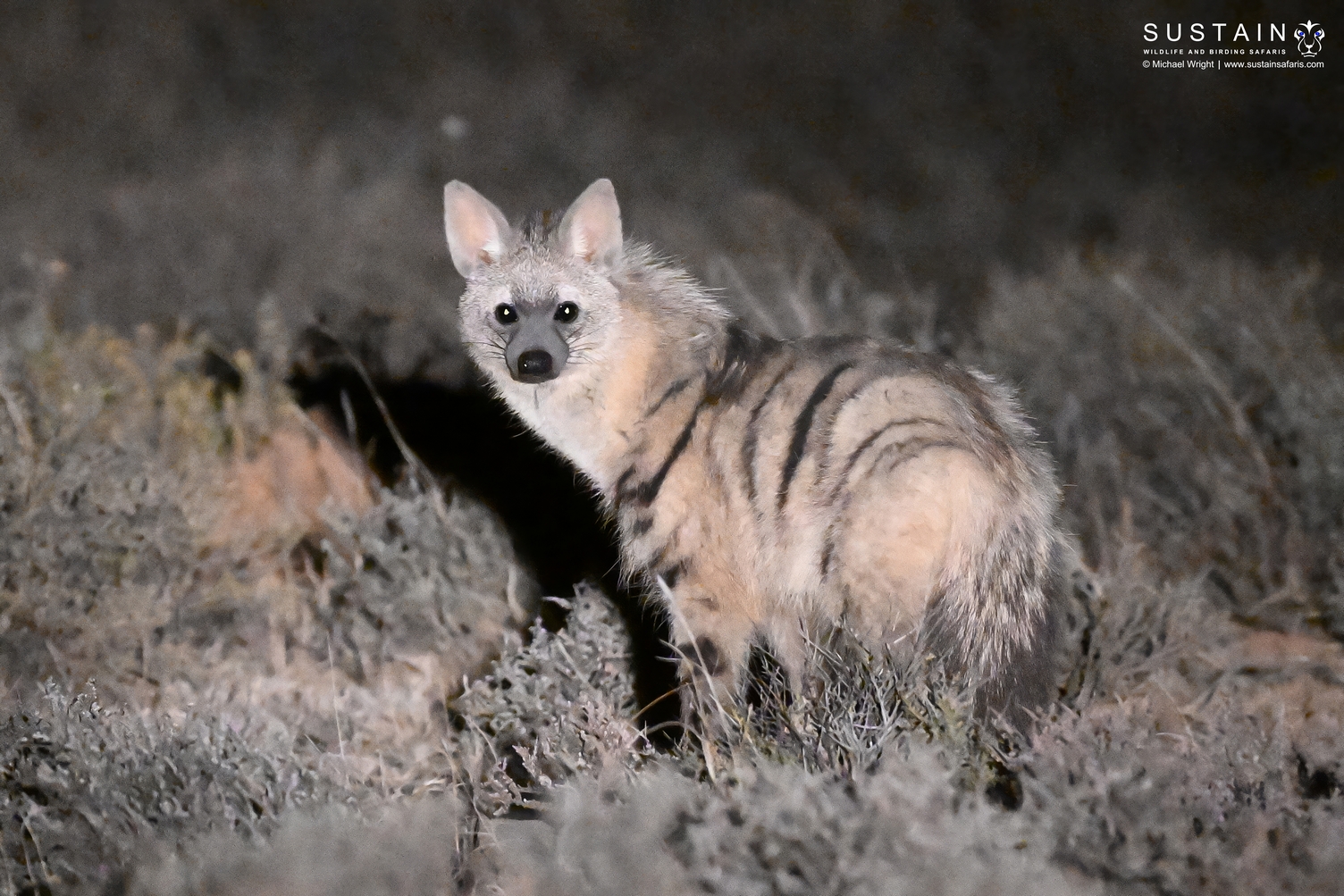
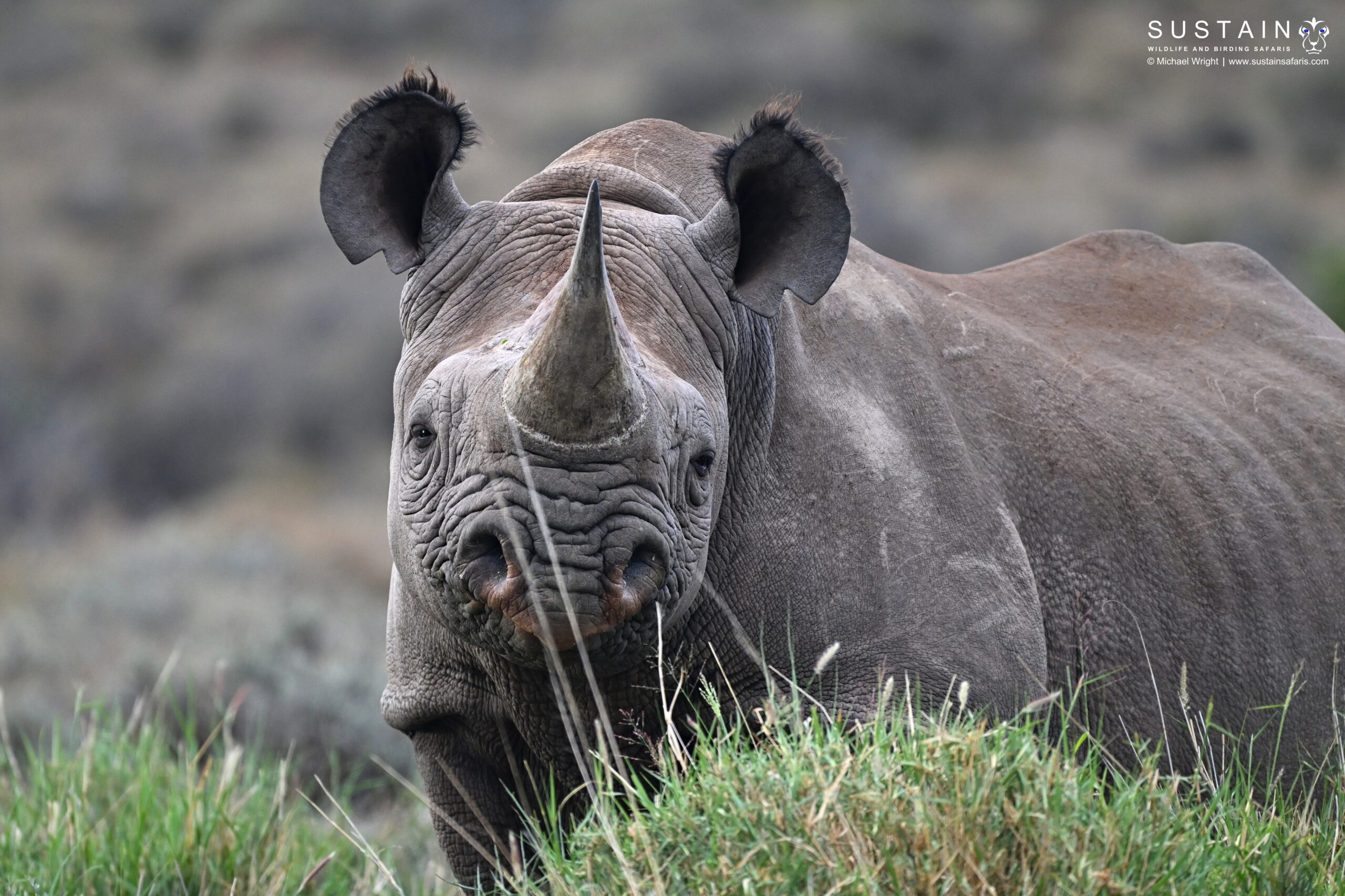
Cape Caracal, Cape Clawless Otter, Aardvark, Southern Aardwolf, Honey Badger, African Striped Weasel, Striped Polecat (Zorilla), Southern African Hedgehog, Cape Fox, Bat-eared Fox, Black Rhinoceros, White Rhinoceros, Cape Porcupine, African Wild Cat, Large Grey Mongoose, Water Mongoose, Roan Antelope, Sable Antelope, Large-eared Mouse.

Other more common mammals we should discover:

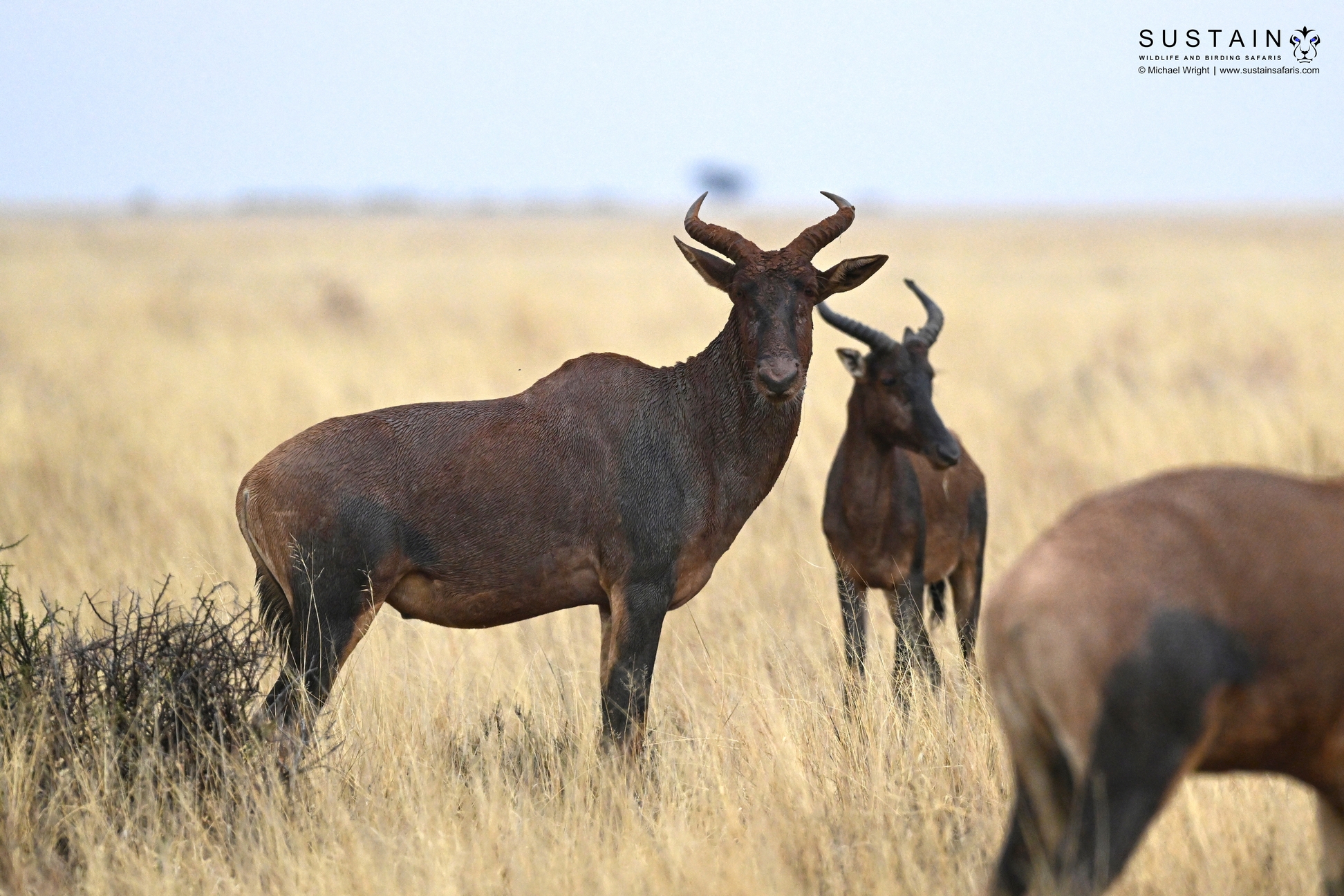
Afro-Australian (Cape/Brown) Fur Seal, Black-backed Jackal, Burchell’s (Plains) Zebra, Red Hartebeest, Greater Kudu, Common Tsessebe, Springbok, Common Bushbuck, Steenbok, Common Duiker, Impala, Chacma Baboon, Common Warthog, Springhare, Vervet Monkey, South African Ground Squirrel, Rock Hyrax, and various bat, mice, gerbil and rat species.

  • Private wildlife and birding guide.
  • Accommodation in semi-luxury lodges and guesthouses (may change subject to availability, in which case similar will be found).
  • All ground transport – Maximum 6 participants and 1 guide per luxury touring vehicle.
  • Activities:
    • 6 x Guided open safari vehicle morning and sunset drives – 2 x Khoisan Karoo, 4 x Hartenbos.
    • 5 x Guided open safari vehicle night drives – 2 x Marrick, 2 x Khoisan Karoo, 1 x Karoo NP.
    • 2 x Eastern Rock Elephant Shrew (Sengi) and Suricate (Meerkat) morning tour – 1 x Marrick, 1 x Khoisan Karoo.
  • All road tolls and parking fees.
  • Meals – Breakfast, lunch and dinner each day.
  • Bottled water in vehicles whilst travelling – 2 per person per day.
  • All entrance fees.
  • Conservation levies.
  • Community levies.
  • Trip guide.
  • Personalized species checklists.
  • All airfares, airport departure taxes or visa fees.
  • Travel and medical insurance (incl. personal equipment and repatriation).
  • All snacks and drinks (except bottled waters).
  • Additional excursions/activities/extensions/purchases.
  • Specialist guide fees and activities not specified.
  • Gratuities for guides and local restaurants.
  • Items of a personal nature.
  • Laundry and telephone charges.
  • Tips and gratuities.
  • Anything not listed under “Includes”.

Distance:

Total driving distance (including around sites) = ~3,600 km.

Scheduled Dates:

28 November − 13 December 2026

09 − 24 March 2027

Or alternate dates on request

Validity:

1 January – 31 December annually

Duration:

16 days, 15 nights

No. of Pax:

Maximum 6 guests per vehicle and per guide

Tour Starts:

At Cape Town International Airport in Cape Town, Western Cape, South Africa.

Tour Ends:

At Cape Town International Airport in Cape Town, Western Cape, South Africa.

Price:

2026: ZAR 138,850 per person sharing, and ZAR 15,100 single supplement

2027: ZAR 149,960 per person sharing, and ZAR 16,310 single supplement

  • Terms and Conditions apply.
  • Minimum of 3 participants per vehicle required to undertake the trip. If fewer, price will be slightly more.
  • Tour both starts and ends at Cape Town International Airport in Cape Town, Western Cape.
  • This itinerary is subject to change due to weather conditions at the time and other factors beyond our control.
  • The species mentioned in the itinerary represent only some of those we may possibly view on the tour, however, none of these can be guaranteed even though every effort will be made where possible to locate them. A full list of possible species appears on your checklist, although vagrants and rarities may also surprise us.
  • Accommodation may change subject to availability, in which case similar accommodation will be found.
  • Total driving distance (including around sites) = ~3,600 km.

Tour Insight

Reserves: Cape Town – Table Mountain NP – West Coast NP – Tankwa Karoo NP – Jakhalsdans – Marrick & Mokala – Khoisan Karoo – Karoo NP – Hartenbos – Bontebok NP – De Hoop – Cape Town

Towns: Cape Town – Langebaan – Sutherland – Kimberley – Hanover – Beaufort West – Swellendam – Cape Town

This guided rare mammal safari tour package with Sustain Safaris will lead you to some extraordinary destinations within South Africa, including 11 unique reserves renowned for endemic, rare, cryptic, enigmatic, and shy mammal sightings. The tour will focus on optimizing your chances of encounters with these highly sought-after animals, as well as many other species of game, rare and endemic birds and all other manner of biodiversity. In total we can expect to encounter in excess of 40 mammal species, and over 270 bird species.

The strongest richness areas for mammal endemism in South Africa are the Karoo interior, Cape Fold Belt / Cape Floristic Region, Namaqualand / Succulent Karoo, and parts of the Highveld–Drakensberg / eastern escarpment. Hence, we have designed this tour specifically with endemic mammal species richness in mind. This high richness is driven mainly by small mammals: golden moles, sengis, mole-rats, vlei rats, bats, shrews, and arid-zone rodents.

The are 81 remaining mammal taxa of regional endemics in South Africa, with a total of 58 taxa occurring in the Western Cape and Northern Cape provinces. On this expertly curated tour we explore the primary hotspot areas for these species, in the hopes of discovering and enjoying as many as possible.

Mammal Species Targets:

Primary Endemic Mammal Species Targets:

Cape Rock Sengi (Elephant Shrew), Eastern Rock Sengi (Elephant Shrew), Brants’s Whistling Rat, Karoo Vlei/Bush Rat, Riverine Rabbit, Black-footed Cat, Brown Hyena, Meerkat (Suricate), Yellow Mongoose, Cape Grey Mongoose, Cape (South African Large-spotted) Genet, Springbok, Black Wildebeest, Bontebok, Cape Grysbok, Mountain Zebra (Cape subspecies), Heaviside’s Dolphin, Bat species

Other Rare Mammal Species Targets:

Cape Caracal, Cape Clawless Otter, Aardvark, Southern Aardwolf, Honey Badger, African Striped Weasel, Striped Polecat (Zorilla), Southern African Hedgehog, Cape Fox, Bat-eared Fox, Black Rhinoceros, White Rhinoceros, Cape Porcupine, African Wild Cat, Large Grey Mongoose, Water Mongoose, Roan Antelope, Sable Antelope, Large-eared Mouse.

Other more common mammals we should discover:

Afro-Australian (Cape/Brown) Fur Seal, Black-backed Jackal, Burchell’s (Plains) Zebra, Red Hartebeest, Greater Kudu, Common Tsessebe, Springbok, Common Bushbuck, Steenbok, Common Duiker, Impala, Chacma Baboon, Common Warthog, Springhare, Vervet Monkey, South African Ground Squirrel, Rock Hyrax, and various bat, mice, gerbil and rat species.

Furthermore, a bird list exceeding 270 species (including many raptors, owls and endemics) can be expected for the trip, as well as many tremendous butterfly, reptile, and amphibian and insect species. Our tour will showcase the very best mammals, a diverse array of bird species and other biodiversity, and will also provide great photographic opportunities.

Valid dates: 01 January to 31 December every year. Price to change annually.

Start and end destinations: This safari both commences and ends at Cape Town International Airport in Cape Town, Western Cape, South Africa.

Tour Overview

We typically use very comfortable, semi-luxury, private lodges and country cottages, but should you prefer, luxury lodging options can also be arranged at an added cost.

The southern and western region of the country presents a Mediterranean climate, which is warm and temperate, with more rainfall received in the winter than in the summer. The temperature here averages 16.5°C, while rainfall averages around 610 mm per year. The summers are warm, dry, and mostly clear; the winters are cool and partly cloudy; and it is windy most of the year. Over the course of the year, the average temperature typically varies from 8°C in July to 25°C in January, and is rarely below 4°C or above 29°C. Based on the tourism score, the best time of year to visit this region for warm-weather activities is from late November to late March. The driest month is January, with the most precipitation falling in July. The month with the highest relative humidity is August (78%), and the lowest relative humidity is December (68%).

Each destination we visit en-route offers unique habitats, extraordinary scenery, and breath-taking beauty, providing you with fantastic photographic opportunities. Habitats we explore include woodland, savanna, grasslands, fynbos, karoo, thicket, rocky mountains, Afrotemperate forest, gardens, wetlands and riverine areas. These host numerous regional endemics, threatened and endangered bird and mammal species, as well as great floral diversity that include a variety of orchids and proteas.

Optional extensions: 

  • Zululand: Add on four days by flying to Durban and heading to the Zululand region up the north coast to add species such as Temminck’s Ground Pangolin, Cheetah, Suni, African Leopard, African Lion, African Elephant, Cape Buffalo, Serval, Side-striped Jackal, White-tailed Mongoose, Black Rhinoceros, White Rhinoceros, Red Forest Duiker.
  • Kruger National Park and Blyde River Canyon: Add on several days by exploring the iconic Kruger National Park and the Blyde River Canyon, by proceeding from northern KwaZulu-Natal through Eswatini Kruger. Add species such as African Wild Dog, Honey Badger, African Wild Cat, Cheetah, African Leopard, African Lion, African Elephant, Cape Buffalo, Sharpe’s Grysbok.

Tour variation:
This set-departure tour is also available as a private or custom tour on request. Kindly submit an enquiry with your preferred dates and group size. 

Destination Highlights include:

  • The probability of seeing over 40 of the country’s mammal species, and over 280 bird species, including many endemic and red-listed species.
  • Explore the south-western tip of the African continent as we visit the picturesque Cape of Good Hope and Cape Point area of Table Mountain National Park near Cape Town – 1 night.
  • Journey up the west coast to the leisurely lagoon town of Langebaan as we explore the renowned West Coast National Park – 1 night.
  • Traverse the Cederberg Mountains up onto the semi-arid Tankwa Karoo plateau and explore the barren rocky landscape around the national park and Sutherland, Northern Cape, a region with some of the best dark skies and starry nights in the world – 2 nights.
  • Continue north-westwards through the spacious Nama Karoo biome and landscape near Loxton, Northern Cape – 1 night.
  • Discover rare nocturnal predators on the productive night drives and sengi tours at Marrick Safari, as well as a day drive in Mokala National Park, Northern Cape – 2 nights.
  • Search for the Shy 5 mammals and other delights on open vehicle drives at the charming Khoisan Karoo Conservancy, Northern Cape – 2 nights.
  • Explore a Big 5 national park of a different and more mountainous kind in the fascinating Karoo National Park, Western Cape – 2 nights.
  • We head southwards through the Succulent Karoo as we pass through both the Swartberg and Langeberg Mountains to Hartenbos, near Mossel Bay in the Western Cape, at the start of the world-renowned Garden Route – 2 nights.
  • Search the highly biodiverse Bontebok National Park for near the third oldest town in the country, the charming Swellendam, Western Cape – 1 night.
  • We spend our penultimate day on the Southern Cape coast exploring the gorgeous De Hoop Nature Reserve, a UNESCO World Heritage Site – 1 night.
  • On our final day we depart De Hoop and proceed westwards through the Agulhas Plains and Overberg along the breathtaking Southern Cape coast.

The tempo of our Rare Mammal Tours are typically medium-fast paced, with occasional mid-day breaks (advisable on hot days). If you are a keen photographer, well so are we, and we can offer many opportunities to capture the moments that will make you the envy of your birding photography friends.